


Rajasthan – The Land of Kings
Rajasthan is one of the most culturally rich and historically significant states of India. Located in the north-western part of the country, it is the largest state of India by area. The name “Rajasthan” literally means “Land of Kings,” which reflects the region’s royal heritage, magnificent forts, grand palaces, and the legacy of powerful Rajput rulers who shaped its history. Rajasthan is famous for its vibrant culture, colorful traditions, desert landscapes, and world-renowned hospitality.
The state shares its borders with Punjab, Haryana, Uttar Pradesh, Madhya Pradesh, and Gujarat, as well as an international border with Pakistan. Rajasthan’s geographical diversity includes the vast Thar Desert, the ancient Aravalli mountain range, fertile plains, and several rivers and lakes. Despite its arid climate, the state has developed unique ways of sustaining life through traditional water conservation systems, stepwells, and lakes.
Historical Background
Rajasthan has a long and fascinating history that dates back thousands of years. The region was home to parts of the ancient Indus Valley Civilization. Over centuries, numerous dynasties ruled this land, including the Rajputs, who played a crucial role in shaping its identity. Rajput rulers were known for their bravery, honor, and strong warrior traditions.
Many legendary battles and heroic tales originate from Rajasthan. Forts such as those in Chittorgarh, Kumbhalgarh, and Jaisalmer stand as symbols of courage and sacrifice. The region also witnessed the influence of the Mughal Empire, which led to a blend of Rajput and Mughal architecture and culture. Later, during the British period, many princely states in Rajasthan became part of the British Raj while retaining some degree of autonomy.
After India gained independence in 1947, the princely states of Rajasthan were gradually merged to form the present-day state. Today, Rajasthan preserves its royal past while embracing modern development.
Geography and Climate
Rajasthan’s geography is dominated by the Thar Desert, also known as the Great Indian Desert. This desert covers a large portion of western Rajasthan and is characterized by sand dunes, sparse vegetation, and extreme temperatures. Cities like Jaisalmer and Bikaner lie in this desert region and showcase a unique desert lifestyle.
The Aravalli Range, one of the oldest mountain ranges in the world, runs diagonally across the state from southwest to northeast. It divides Rajasthan into two main geographical regions: the desert region to the west and the more fertile plains to the east. Areas near the Aravalli hills receive relatively higher rainfall and support agriculture.
The climate of Rajasthan varies from extremely hot summers to cool winters. Summers can be very harsh, especially in the desert areas where temperatures often exceed 45°C. Winters are generally pleasant, making it the most popular time for tourism.
Culture and Traditions
Rajasthan is widely known for its vibrant culture and colorful traditions. The people of Rajasthan take great pride in their heritage, which is reflected in their clothing, music, dance, festivals, and daily life.
Traditional Rajasthani attire is very distinctive. Men commonly wear colorful turbans and dhotis, while women wear bright ghagras and odhnis decorated with intricate embroidery and mirror work. These colorful garments stand out beautifully against the desert landscape.
Music and dance are an integral part of Rajasthani culture. Folk dances such as Ghoomar and Kalbelia are famous for their graceful movements and traditional costumes. Folk music often features instruments like the dholak, sarangi, and algoza, and tells stories of love, valor, and desert life.
Rajasthan also celebrates numerous festivals with great enthusiasm. Festivals such as the Desert Festival, Teej, Gangaur, and Pushkar Fair showcase the cultural richness of the region. These celebrations include traditional performances, camel races, folk competitions, and local handicraft markets.
Architecture and Heritage
Rajasthan is renowned for its magnificent architecture, particularly its forts and palaces. Many of these historical structures were built by Rajput kings and reflect a blend of Rajput and Mughal styles.
The forts of Rajasthan are among the most impressive in the world. Massive stone walls, grand gateways, and intricate carvings make these structures both defensive and artistic masterpieces. Similarly, the palaces of Rajasthan are known for their elaborate courtyards, decorative balconies, and luxurious interiors.
Many of these royal buildings have been converted into heritage hotels, allowing visitors to experience the lifestyle of the former royal families. These properties offer a unique combination of history, luxury, and traditional hospitality.
Tourism and Attractions
Tourism plays a vital role in Rajasthan’s economy. The state attracts millions of visitors each year who come to experience its rich heritage, desert landscapes, wildlife, and cultural festivals.
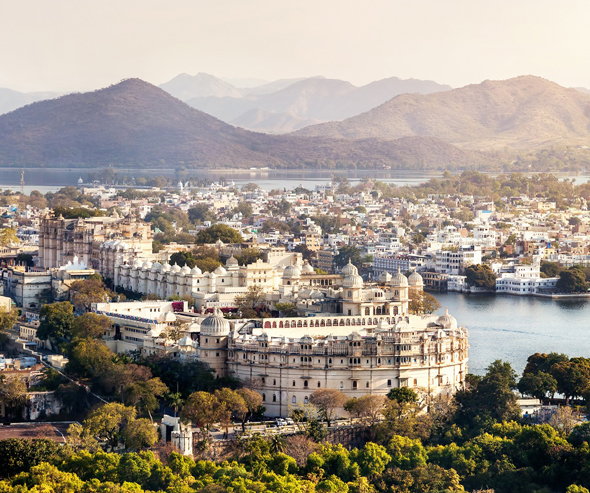
The cities of Jaipur, Udaipur, Jodhpur, and Jaisalmer are among the most popular tourist destinations. Jaipur, the capital city, is famous for its pink-colored buildings and historical monuments. Udaipur is known for its beautiful lakes and romantic palaces. Jodhpur is often called the Blue City due to the blue houses surrounding its historic fort. Jaisalmer, located in the heart of the Thar Desert, is famous for its golden sandstone architecture and desert safaris.
In addition to historical sites, Rajasthan also offers wildlife experiences. Several national parks and wildlife sanctuaries provide opportunities to see animals such as tigers, leopards, deer, and a wide variety of birds.
Cuisine
Rajasthani cuisine is known for its rich flavors and unique cooking methods. Because of the desert climate and limited water availability, many traditional dishes are designed to last longer and require minimal water during preparation.
Popular dishes include dal baati churma, gatte ki sabzi, ker sangri, and various types of spicy curries. The cuisine often uses generous amounts of spices, ghee, and dried ingredients. Rajasthani sweets such as ghewar and mohanthal are also widely enjoyed.
Economy and Handicrafts
Rajasthan’s economy is based on agriculture, mining, tourism, and handicrafts. The state is rich in minerals and is a major producer of marble, sandstone, and other natural stones used in construction and architecture.
Handicrafts form an important part of Rajasthan’s cultural and economic identity. Skilled artisans create beautiful items such as block-printed textiles, pottery, leather goods, jewelry, carpets, and miniature paintings. These handicrafts are popular among tourists and are exported to many countries.
Conclusion
Rajasthan stands as a remarkable example of India’s historical grandeur and cultural richness. From majestic forts and palaces to colorful festivals and desert landscapes, the state offers a unique blend of tradition and beauty. Its rich heritage, warm hospitality, and vibrant lifestyle make Rajasthan one of the most fascinating destinations in India.
The legacy of kings, warriors, artists, and craftsmen continues to shape the identity of Rajasthan today. Whether through its architecture, music, cuisine, or traditions, the state preserves its royal past while welcoming visitors from around the world to experience the magic of the “Land of Kings.”